
How To Find The Best Men’s Running Shoes For Every Activity
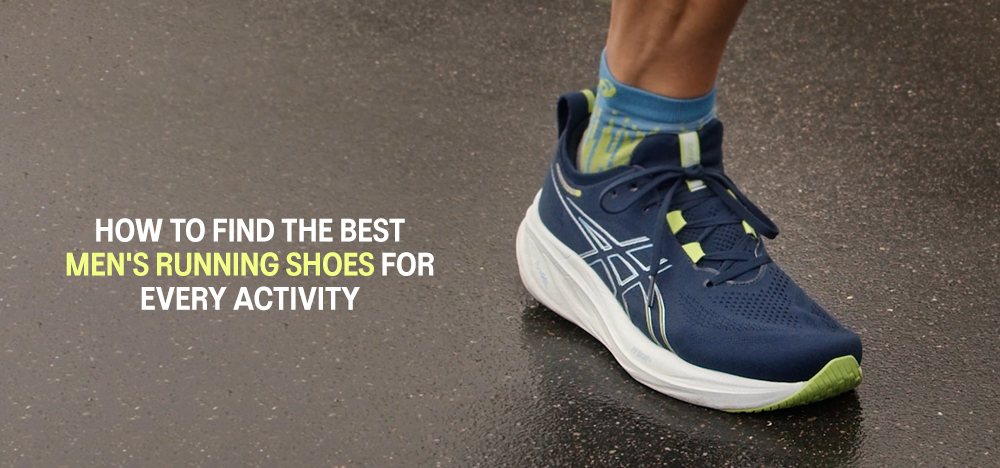
Finding the right pair of running shoes completely changes your experience, whether you’re running marathons or simply staying active on weekends. The right sports shoes elevate performance, reduce fatigue, and help prevent injuries. With so many options available, knowing what works best for your foot, surface, and style is key to making the right choice.
Here’s a simple guide to help you discover the best running men’s shoes across different types of running and workouts.
1. Start With Your Foot Type
Every foot is unique, and understanding your foot type is the foundation for finding the right fit.
- Neutral Arch: If your foot naturally rolls slightly inward while running, you likely have a neutral arch. Go for cushioned shoes that balance flexibility and support, helping you maintain a smooth stride.
- Flat Feet: Runners with flat feet often overpronate (rolling inward too much). Stability or motion-control shoes are ideal, providing arch support and structure to correct gait.
- High Arch: If your foot rolls outward (underpronation), you’ll benefit from shoes with ample cushioning and flexibility to evenly distribute impact.
A quick wet test can help identify your arch type. Simply wet your foot, step on a paper bag, and check your footprint.
2. Match Your Shoes To Your Running Style
The surface you walk on and the intensity of your daily and specific activities play a huge role in choosing the right pair of men’s branded shoes.
- Road Running: If you usually run on pavements or tracks, look for lightweight and shock-absorbing shoes. The ASICS GEL-CUMULUS™ 26 is a great choice, featuring FF BLAST™ PLUS cushioning for a soft yet energetic ride and an engineered mesh upper for breathability.
- Trail Running: For uneven or off-road surfaces, shoes with a stronger grip and stability are essential. Choose a model with durable outsoles and ankle support to handle mud, gravel, and rocky paths.
- Speed and Racing: When chasing speed, a lightweight design with minimal cushioning allows faster transitions. Shoes like the GEL-NIMBUS™ 26 offer soft comfort without weighing you down, thanks to their FF BLAST™ ECO PLUS cushioning and HYBRID ASICSGRIP™ outsole for reliable traction.
- Gym or Mixed Training: For workouts that include both cardio and strength training, choose versatile shoes such as the GEL-EXCITE™ 10, featuring AMPLIFOAM+ cushioning and GEL™ technology for adaptable comfort.
3. Focus On Fit And Comfort
The best shoe is about how it looks and how it feels. Wearing wrong-sized shoes can cause blisters, black toenails, or even long-term injuries.
Here are some quick checks for a proper fit:
- Leave about a thumb’s width between your longest toe and the front of the shoe.
- Your foot should feel snug but not tight; there should be no pinching or excessive space.
- Ensure your heel stays in place when walking or running.
- Choose shoes with a roomy toe box to allow natural toe movement.
4. Consider Cushioning And Support
Cushioning and support are a must to avoid getting hurt, especially if you run long distances or on hard surfaces.
Shoes like the ASICS GEL-KAYANO™ 31 are designed with 4D GUIDANCE SYSTEM™ technology for adaptive stability, helping keep your stride balanced and supported. The FF BLAST™ PLUS ECO midsole ensures a smooth and cushioned ride.
If you prefer a softer feel, go for shoes with plush midsoles such as the GEL-NIMBUS™ 26, which offers cloud-like comfort through its advanced cushioning system.
5. Think About Weight And Flexibility
Lightweight shoes are perfect for speed training and short-distance runs, while slightly heavier ones are more durable for daily training. Whichever you choose, your shoes should bend easily to adapt to your feet.
The GEL-CUMULUS™ 26 and GEL-EXCITE™ 10 both balance weight and flexibility, making them dependable for runners of all levels.
6. Replace Worn-Out Shoes Regularly
Even the most durable branded men’s shoes lose their support over time. Most running shoes should be replaced every 500–800 kilometres, depending on the surface and frequency.
Signs that it’s time for a new pair include:
- Thinning or uneven tread on the outsole
- Flattened cushioning that doesn’t rebound
- Soreness in your feet or knees after running
Worn-out shoes can increase your risk of injury, so make sure to pay attention to visible wear.
7. Try Before You Commit
Always test your running shoes before deciding. Walking in new shoes helps check for comfort and stability. The perfect shoe should feel secure yet flexible. If you’re shopping online, refer to the brand’s size guide and return policy for a worry-free experience.
Final Thoughts
Choosing the right running shoes is about finding a balance between performance, protection, and comfort. Consider your foot type, terrain, and training style when making your choice.From daily trainers like the GEL-CUMULUS™ 26 to stability models such as the GEL-KAYANO™ 31, ASICS offers a range of options designed to support your running journey. With the right fit and features, you can focus on what truly matters, enjoying every run and performing your best.
 Winter Edit: Chic Suits for Women and How to Layer Them
  Breath of Comfort: Navigating the Humidifier Scene in Hamilton
  Optical Cambridge: A Convergence of Heritage and Modernity in Vision Care
  AC Repair in Hamilton: Keeping Your Cool in the Hottest Months
  Landscaping in Milton: Cultivating Green Dreams in Ontario’s Blooming Hub
  A Beginner’s Introduction To Holistic Treatments
  Mimamsa Yogshala Reviews | Student Experiences & Honest Feedback
  Big Mumbai Game Entry Amount Psychology: Why Small Bets Feel Safe
  WAFID Medical Test Age Limit for GCC Countries: Updated Guidelines